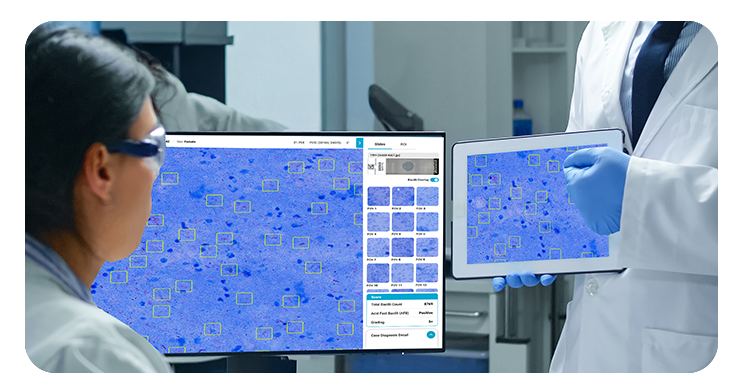
Combining high-resolution whole-slide scanning with trained AI algorithms to detect, quantify, and grade acid-fast bacilli — making Tuberculosis detection faster, more consistent, and accessible in any laboratory setting.
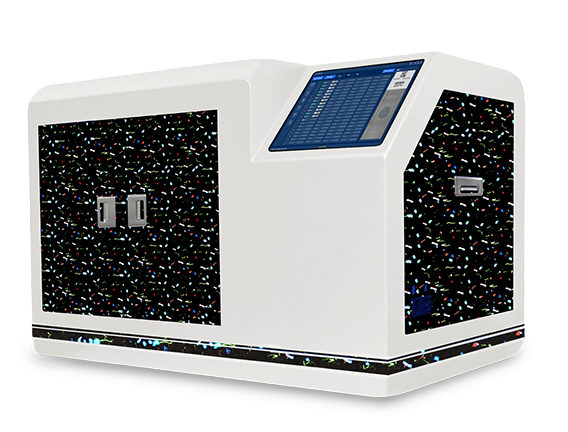
BactoSiA combines high-resolution brightfield scanning with trained AI algorithms to automatically detect and quantify acid-fast bacilli on Ziehl–Neelsen-stained sputum samples — making TB detection faster, more consistent, and accessible in any laboratory setting.

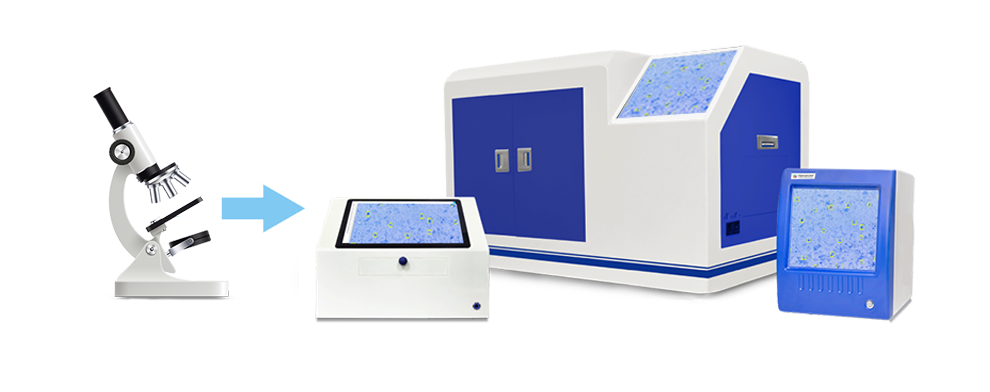
Works with OS-SiX, OS-Lite, OS-Ultra, or OS-FLi. Standard smear preparation — no special protocols required.

Classifies slides as likely positive or likely negative. 300+ fields of view analyzed per slide with ~99.65% accuracy.

Confirmed positive smears graded using standardized criteria — Scanty, 1+, 2+, 3+ — for consistent reporting.

All results feed into IMAGEPath® for review, reporting, quality assurance, and longitudinal treatment monitoring.
Powered by OS-SiA™ — the world's first patented technology that scans, indexes, and analyzes simultaneously.
BactoSiA processes Ziehl–Neelsen-stained sputum smears through four distinct stages, each producing digital outputs for review and quality assurance.
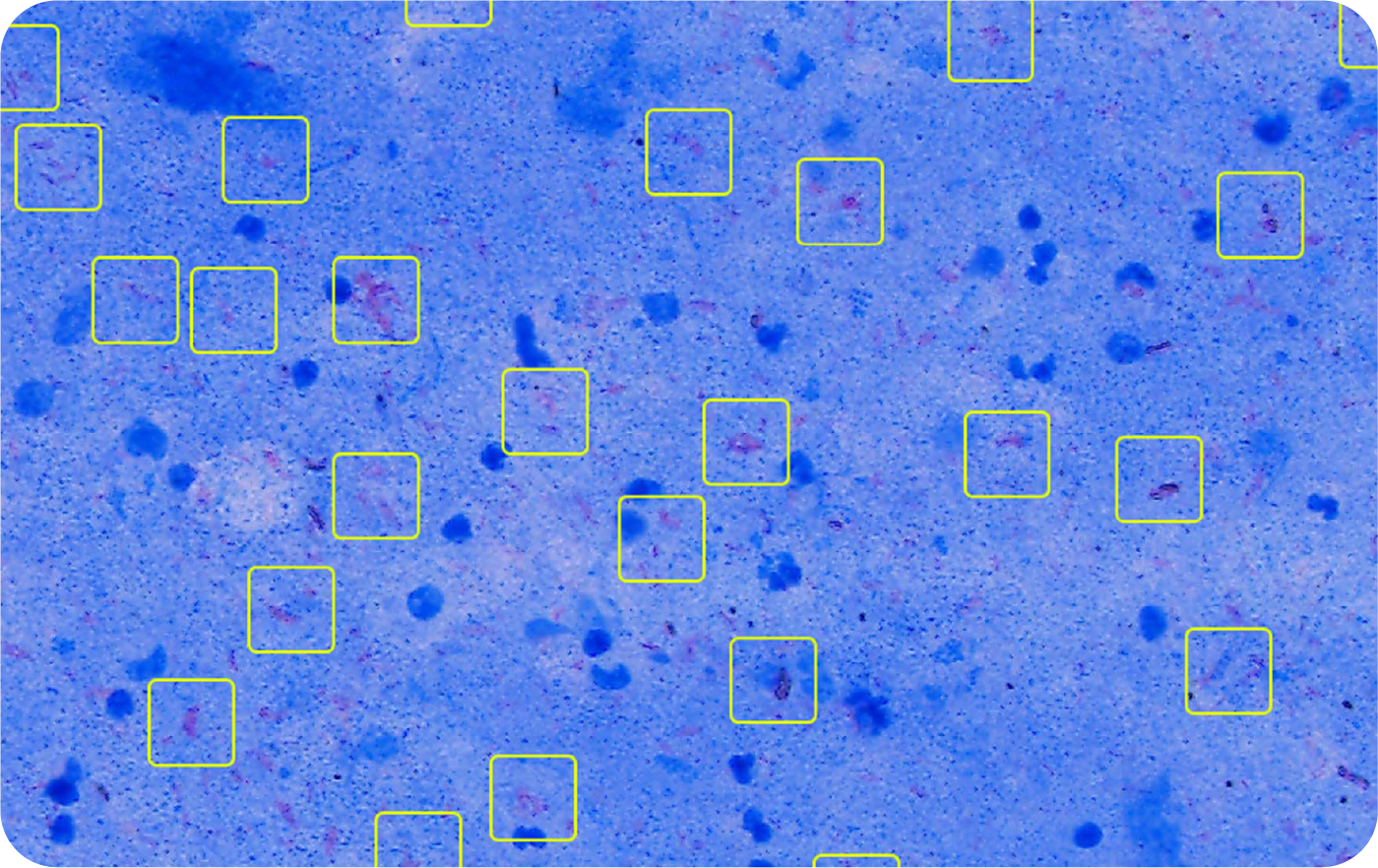
300+ fields of view automatically captured and mapped across the entire smear area.
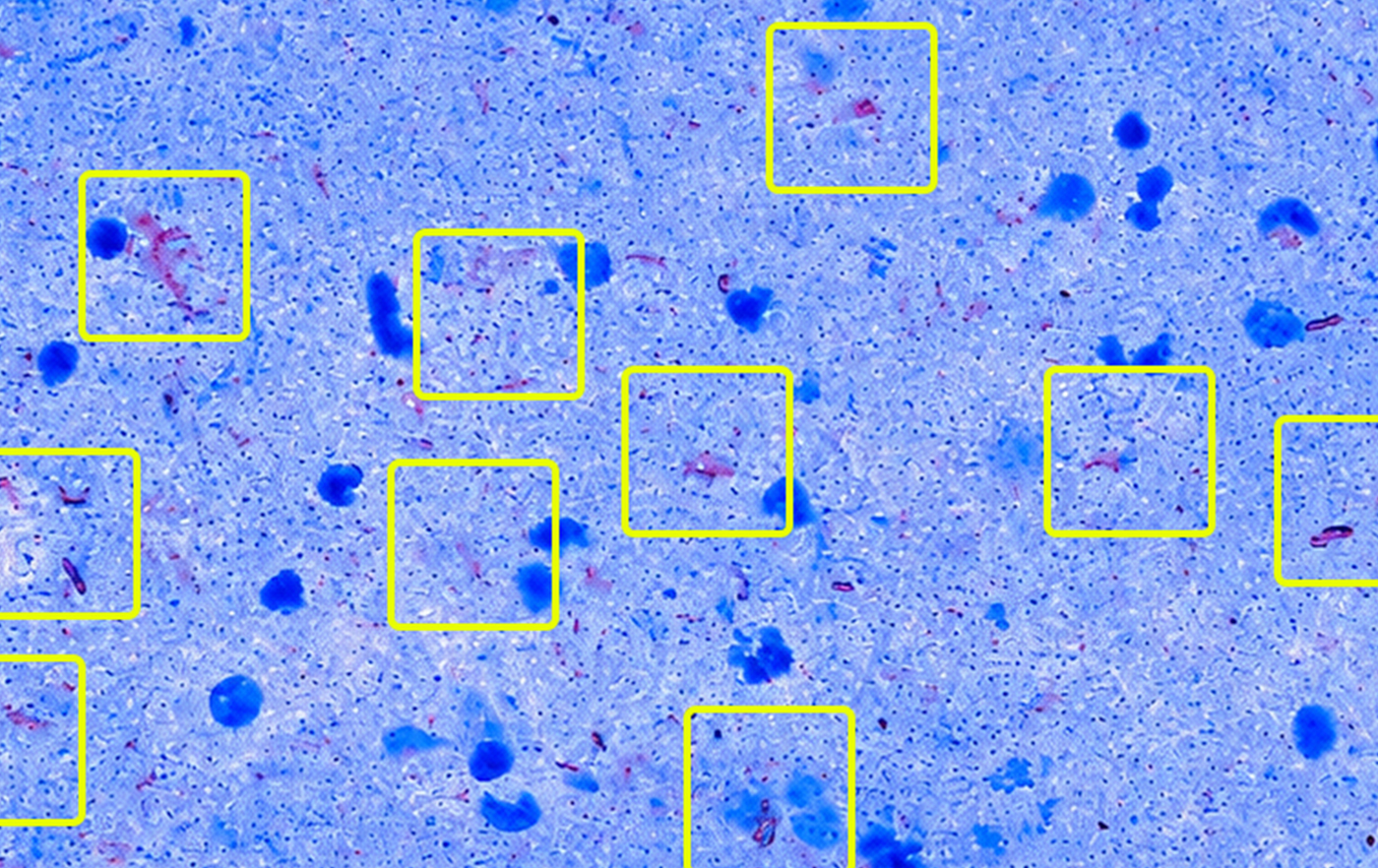
High-resolution imagery reveals cellular detail with optimized focus and contrast.
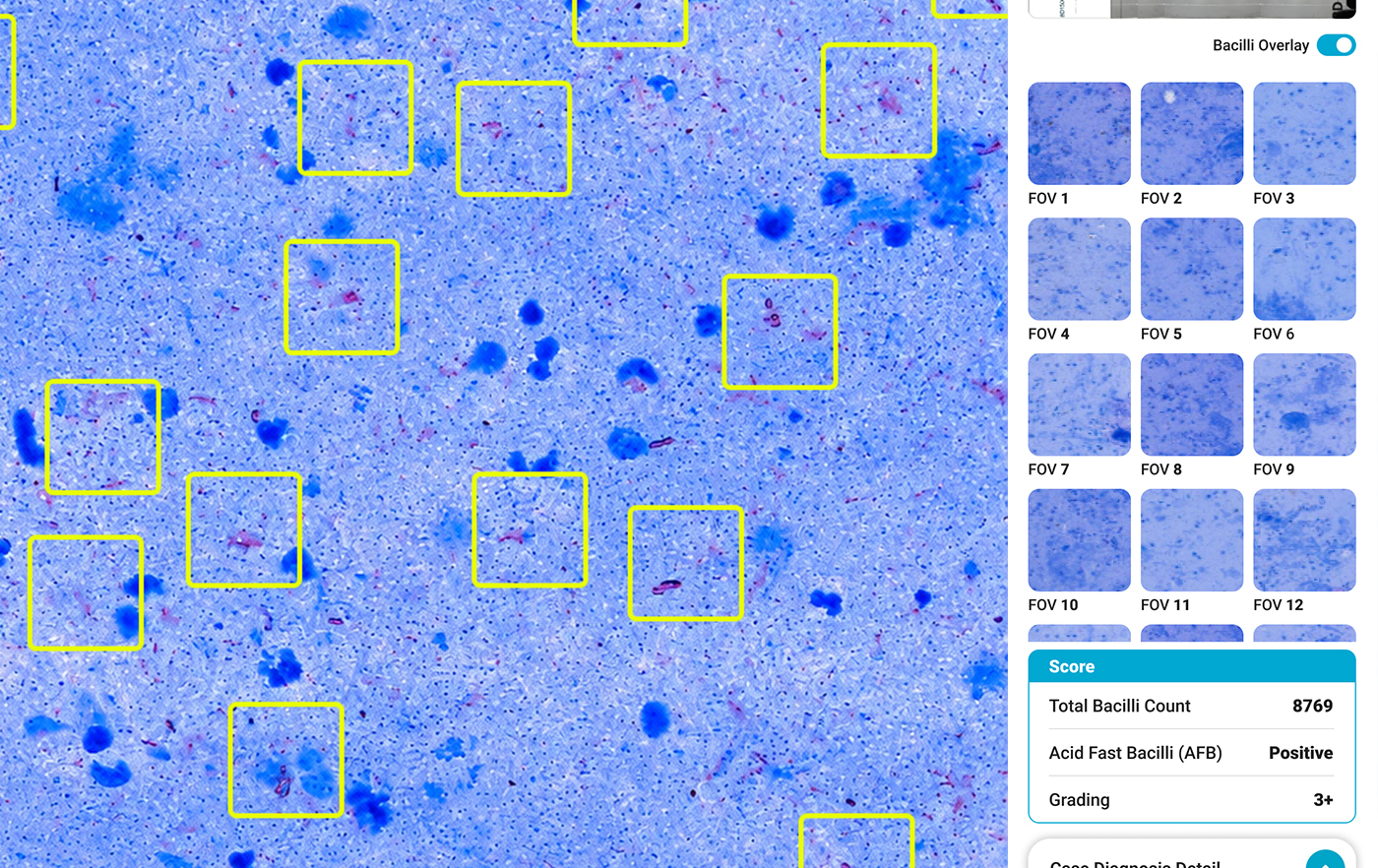
AI-highlighted regions pinpoint detected AFB with visual markers for rapid pathologist review.
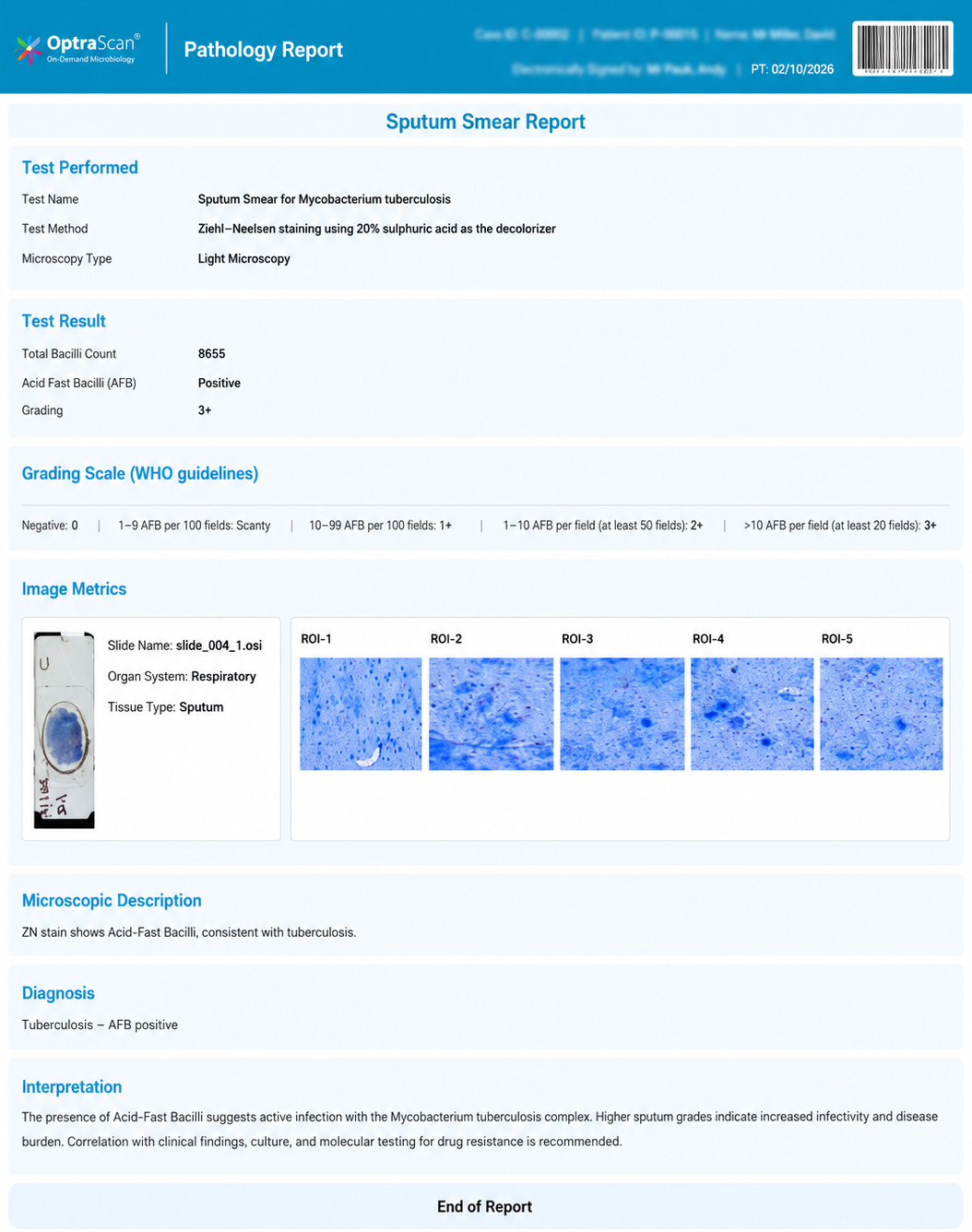
Comprehensive digital report with grading, FOV summary, and exportable results via IMAGEPath®.
Tuberculosis remains one of the world's deadliest infectious diseases. Laboratories in high-burden regions face mounting pressure to process more samples with fewer resources — while maintaining consistent, reliable results.
Tuberculosis affects over 10 million people each year globally, straining laboratory capacity in the most affected regions.
Manual AFB smear microscopy requires pathologists to review 100+ fields of view per slide — tedious, time-intensive, and prone to variability.
Inter-reader variability in smear grading remains a significant challenge, impacting treatment decisions and follow-up protocols.
Faster processing without additional trained personnel
Consistent, WHO-standardized grading across readers and sites
Digital workflows that integrate into existing lab infrastructure
Actionable results at the point of acquisition — not downstream
BactoSiA integrates scanning, indexing, and AI-assisted analysis into a single workflow — supporting laboratories that manage high testing volumes and repeat evaluations.
Digitize and analyze within a single process — no downstream bottlenecks or separate analysis stations needed.

AI-assisted grading brings consistency across readers and sites, supporting standardized evaluation practices.
Digital records support treatment monitoring and follow-up with structured, searchable case histories.

Operates within current lab staffing models and workflows — no additional infrastructure required.
Purpose-built for the settings where TB detection matters most — from national reference labs to mobile field units.
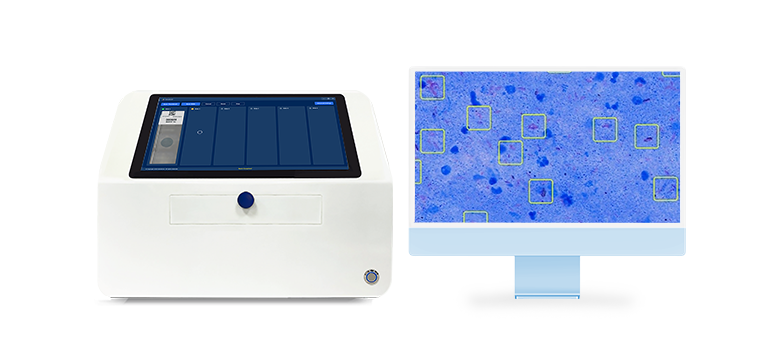

Rapid AFB smear review, WHO-standardized grading, and structured reporting for population-level TB screening programs at national and regional scale.

Boost throughput and standardization for routine smear assessment, treatment monitoring, and follow-up — reducing manual workload without adding staff.

Smear-based triage and remote expert review in field settings with limited infrastructure. Digitized slides enable remote consultation from anywhere.

Remote QA, second reads, and consistent bacillary grading across distributed laboratory sites — supported by OptraSCAN's TELEPath platform.
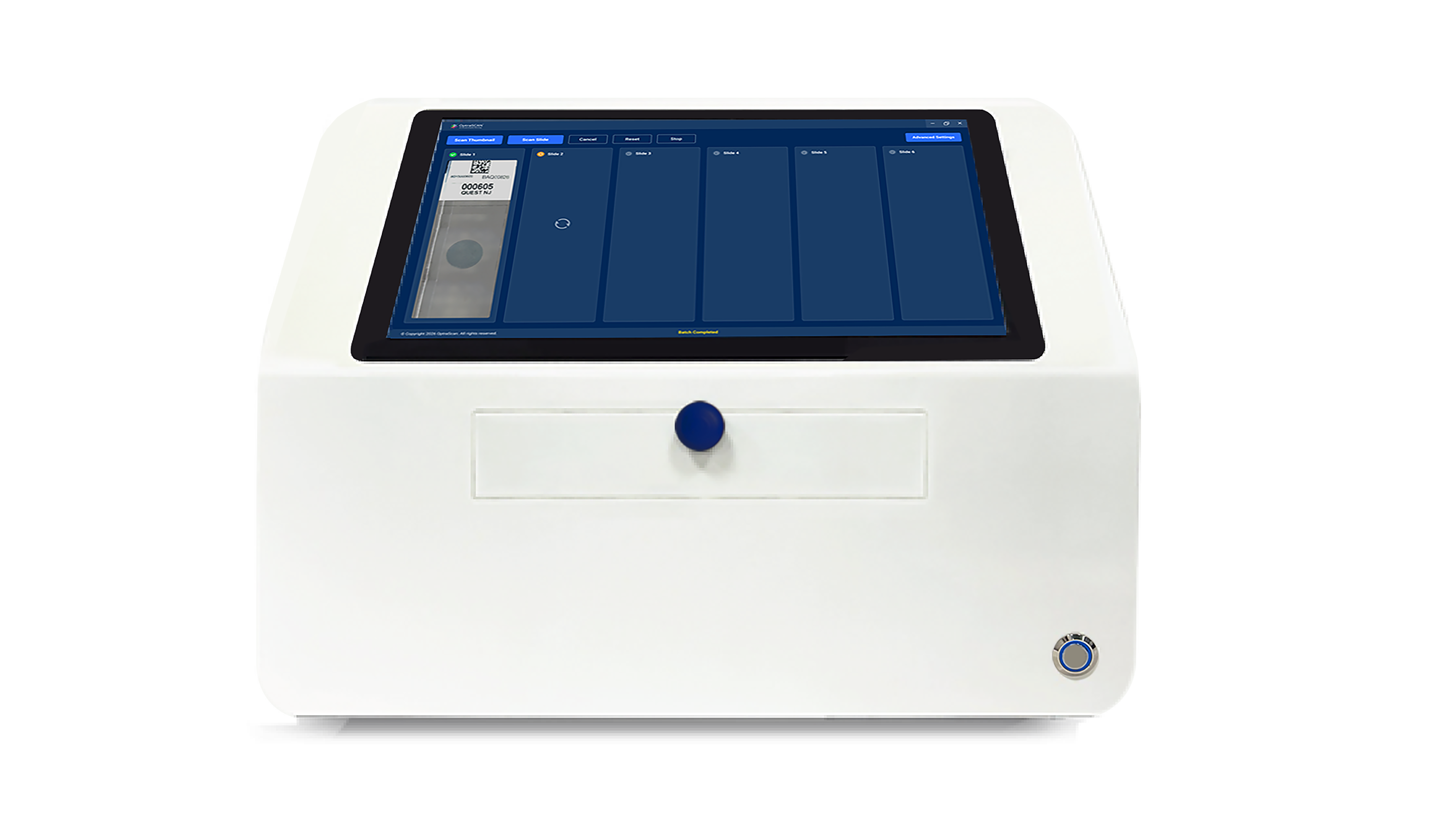
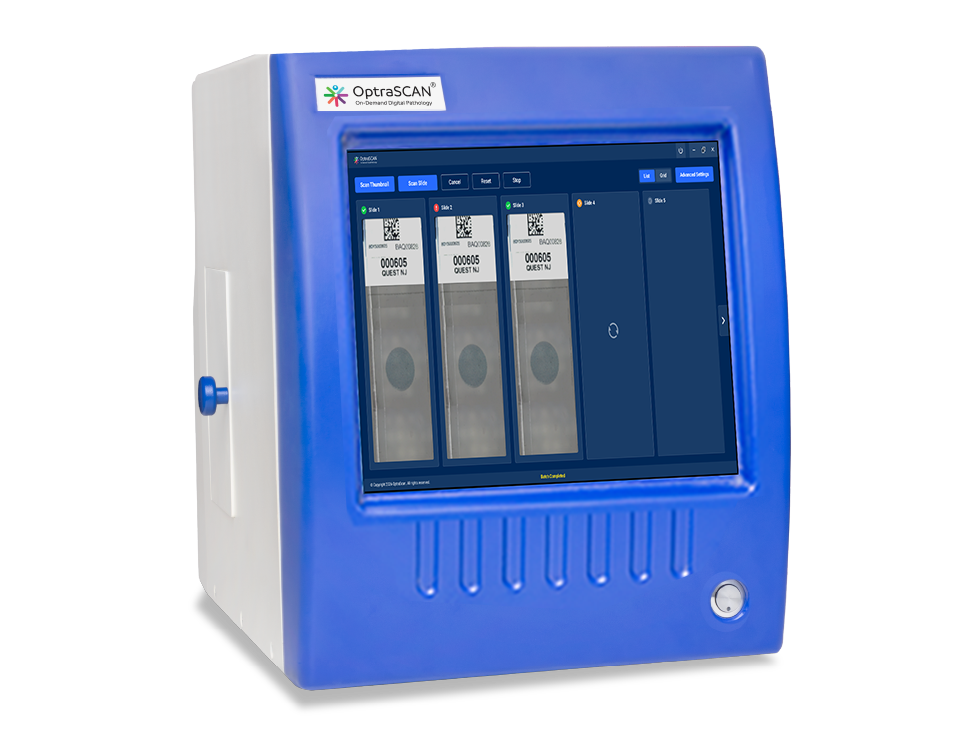
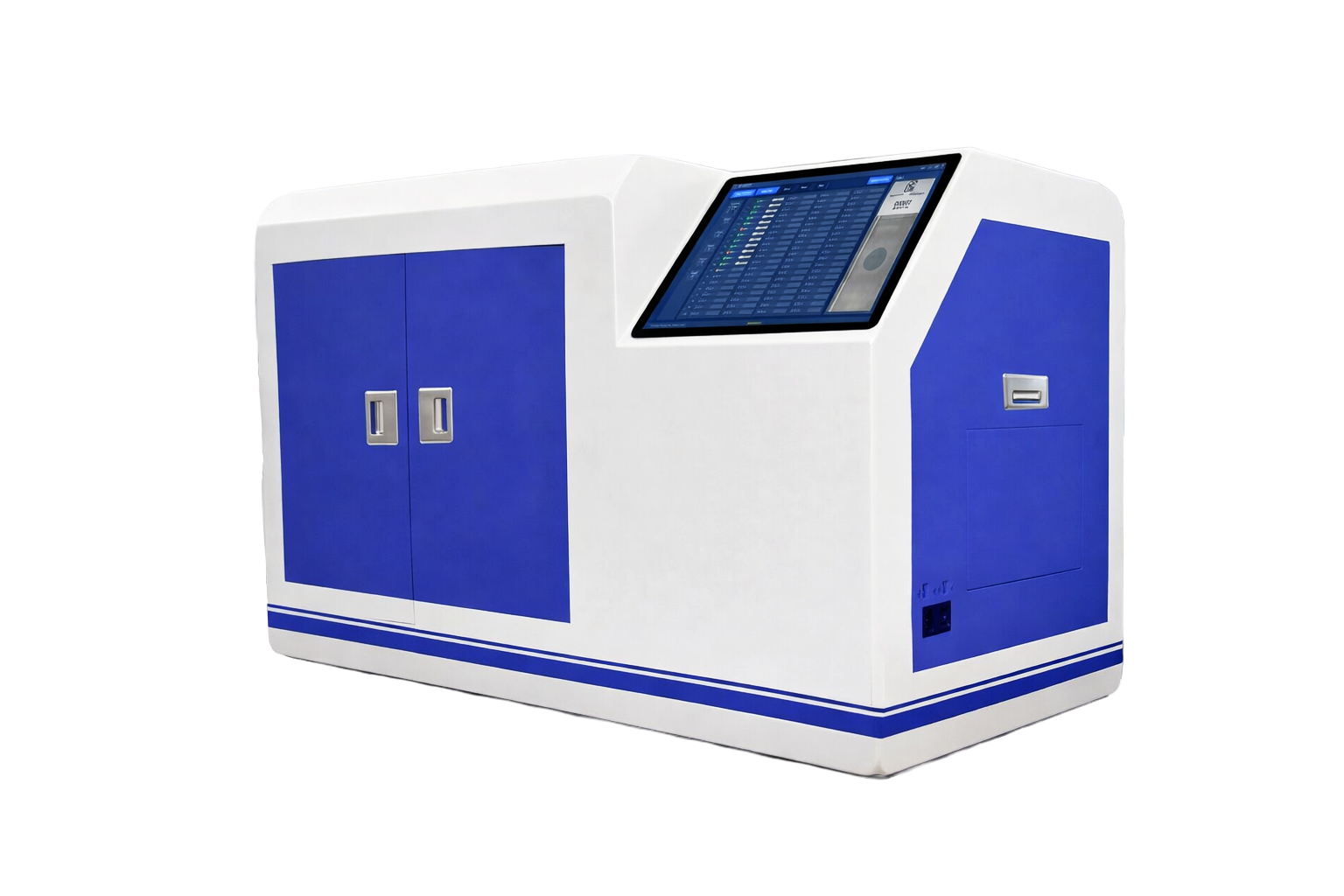
See how AI-assisted AFB detection and WHO-aligned grading can modernize your smear microscopy workflow — slide to report in minutes.